


Our Terroirs
Saint-Romain, a terroir apart
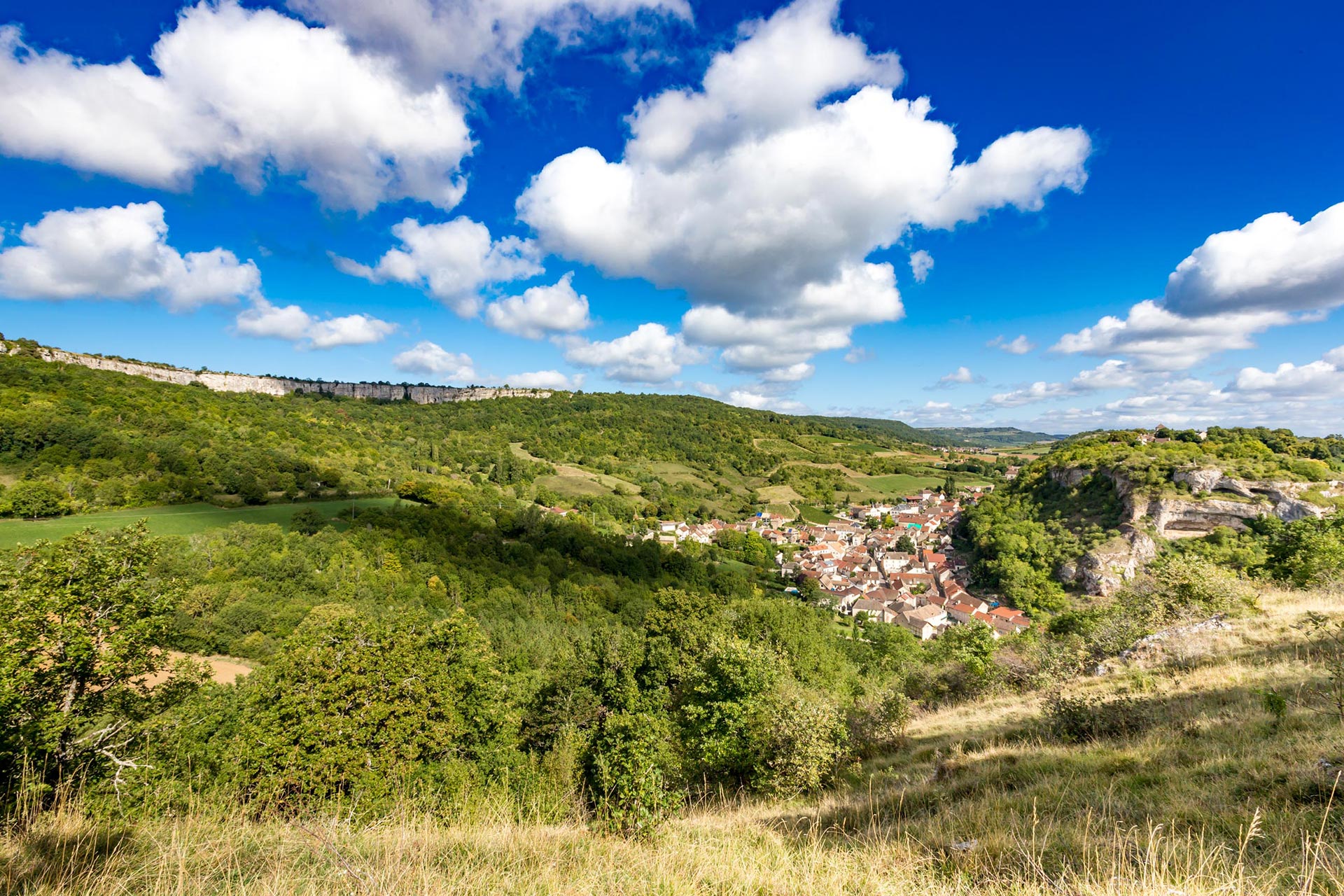
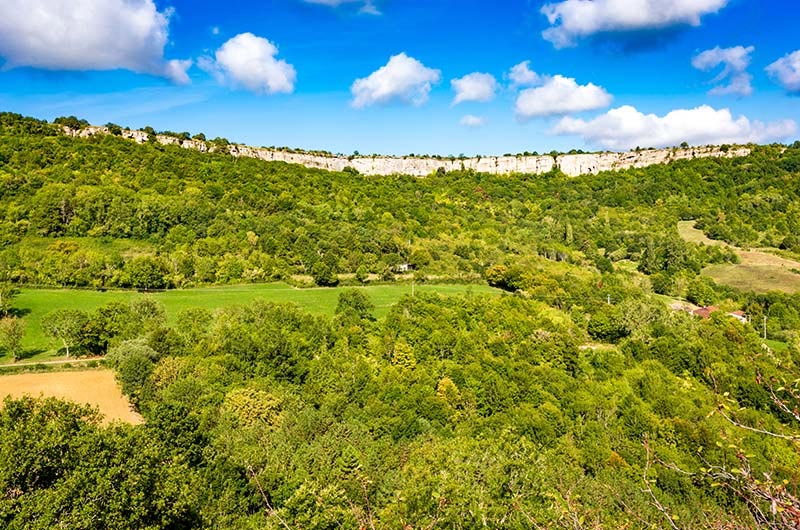
Saint-Romain is one of the most discreet appellations of the Côte de Beaune. Set within a natural amphitheatre carved into the Jurassic limestone escarpment, the village sits between 300 and 420 metres altitude — an unusual elevation for the Côte d'Or, which lends its wines freshness, tension, and minerality.
The subsoil is marly, threaded with clay strata dating from the Upper Jurassic. Yet from one lieu-dit to the next, the profile shifts. Low on the slope, deep sandy soils yield wines of structure and complexity. Mid-slope, shallow lithosols deliver a frank and direct minerality. Higher up, at 400 metres, marls and clays restore freshness and tension. Sometimes just a few metres separate two parcels whose wines have nothing in common.
Explore the estate's parcels
From one appellation to the next
Beyond Saint-Romain, the estate is present across several appellations of the Côte de Beaune. In Beaune, the Montagne Saint-Désiré parcel and two premiers crus — Les Aigrots and Les Montrevenots — produce whites and reds on mid-slope clay-limestone soils. In Pommard, three cuvées — the village, La Chanière, and the premier cru Clos de Verger — express the power and structure characteristic of the appellation. In Meursault, the lieu-dit Les Peutes Vignes, on the Volnay side, yields a white of great distinction. In the near future, a new appellation will join the estate with the premier cru Volnay Clos des Chênes.
The Hautes-Côtes de Beaune, at higher elevation, contributes the cuvée L'Empreinte, produced in Nantoux — the village where Bernard Germain was born.